Tiaomi Old Trail
糶米古道· Hiking trail
About
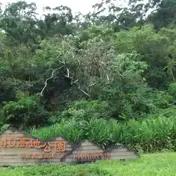
The character 糶 in the trail's name is pronounced tiào and means 'to sell grain', so 'tiaomi' means 'selling rice'. In the Daoguang reign of the Qing dynasty, farmers of the Sanzhangli area, to save time and effort in carrying their goods, chose not to take the long roads across the plain and opened this mountain path of 500 stone steps. It allowed rice from Nangang, Muzha, Shenkeng, Jingmei and other places to be carried quickly and increased trade. It is called the Tiaomi Trail because of the Tiaomigong Temple on it; some also call it the 挑米古道 ('rice-carrying trail'). Because the steps are steep, it is said that people carrying rice often stopped here to rest, and to thank the Earth God (Tudigong) for a safe journey they would leave a bowl of rice when they rested. In time residents built a simple small stone temple to honour the Earth God, and after several rebuildings it became today's Tiaomigong Temple. Nearby is the entrance to the Dexing Coal Mine. The mine began operating around 1897 and peaked in 1946 to 1948; later the seam ran out and Songshan coal disappeared. The mine entrance remains for visitors to see. In 2011 the trail was rebuilt: the stone steps were relaid, and an arched bridge, boardwalks and interpretive signs on the route were added, giving it its present form.
Translated by DealTaipei from Taiwan's national tourism database. Sources are on the terms page.
Getting there

Good to know



Sources and photo credits are on the terms page.